Market
Pokémon vs. ONE PIECE TCG: A 2026 Market Outlook for Collectors
Two very different markets: a 30-year-old global brand and a fast-growing newcomer. What drives each, and what can go wrong.
2 min read ·
This guide is general education, not financial advice. Card prices go down as well as up, sealed product can be hard to resell, and nobody can predict which sets will rise. Only spend what you are happy to keep as a collection.
Collectors often ask us which game to collect for the long term. There is no right answer, but the two markets work differently, and understanding the differences helps you buy with your eyes open.
Pokémon: a 30-year brand
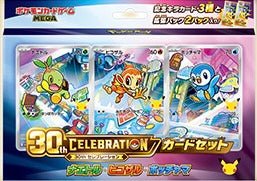
The Pokémon Trading Card Game turned 30 in 2026, and The Pokémon Company marked it with anniversary products such as 30th CELEBRATION. The game is printed in many languages, played in official tournaments worldwide and collected by several generations at once. That breadth is its strength: demand does not depend on one country or one age group.
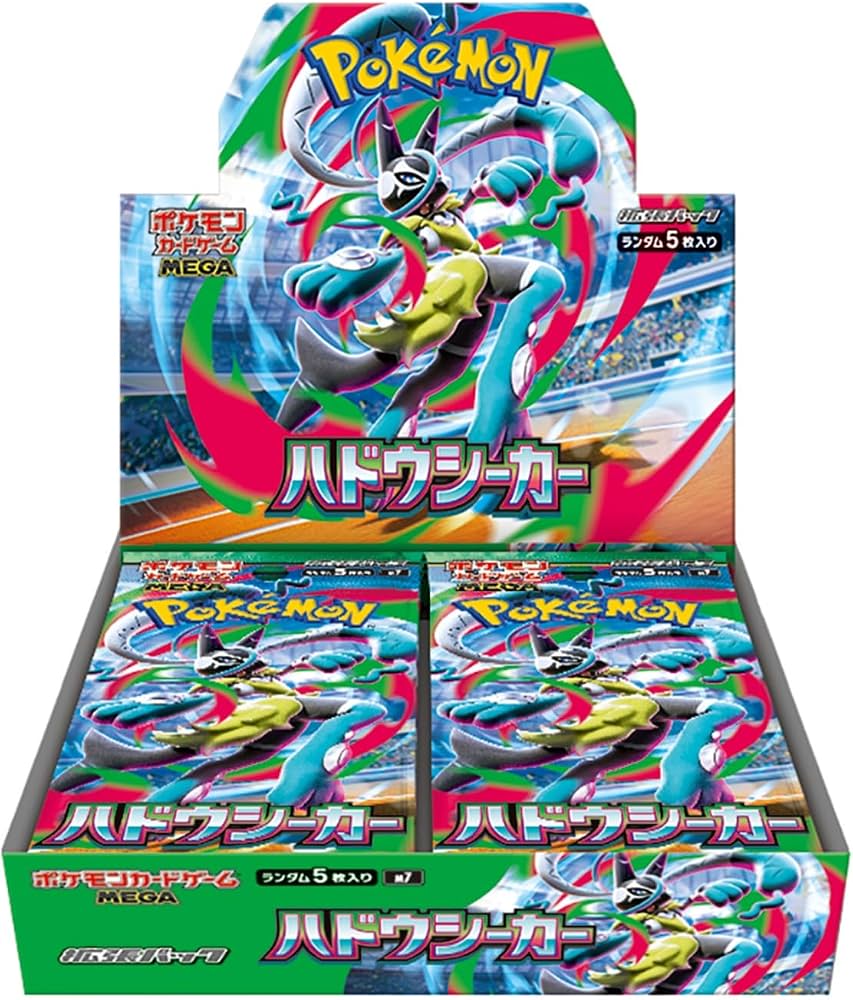
Japanese Pokémon sets also follow a familiar rhythm: main expansions, smaller strengthened expansions and premium high class packs, usually a few months ahead of the English versions. Collectors tend to watch three things closely: the type of set (special and high class sets are often the most collected), the chase cards inside, and whether the company announces a reprint.
ONE PIECE: the fast-growing newcomer
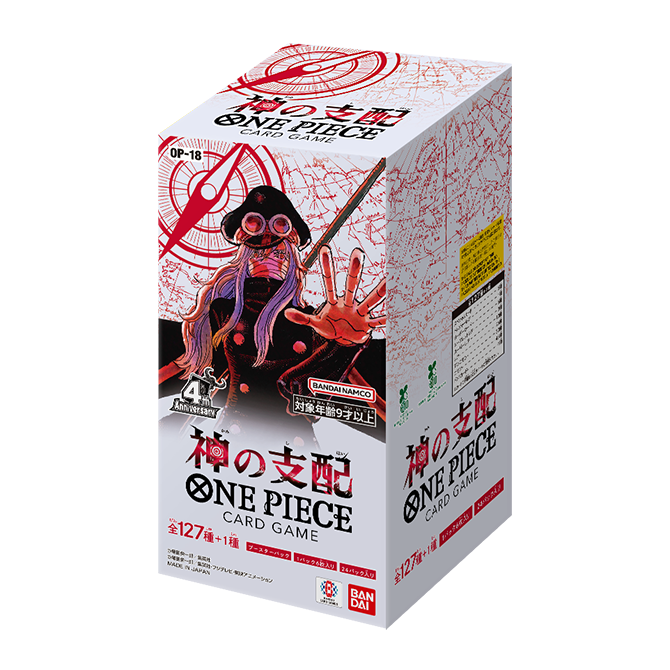
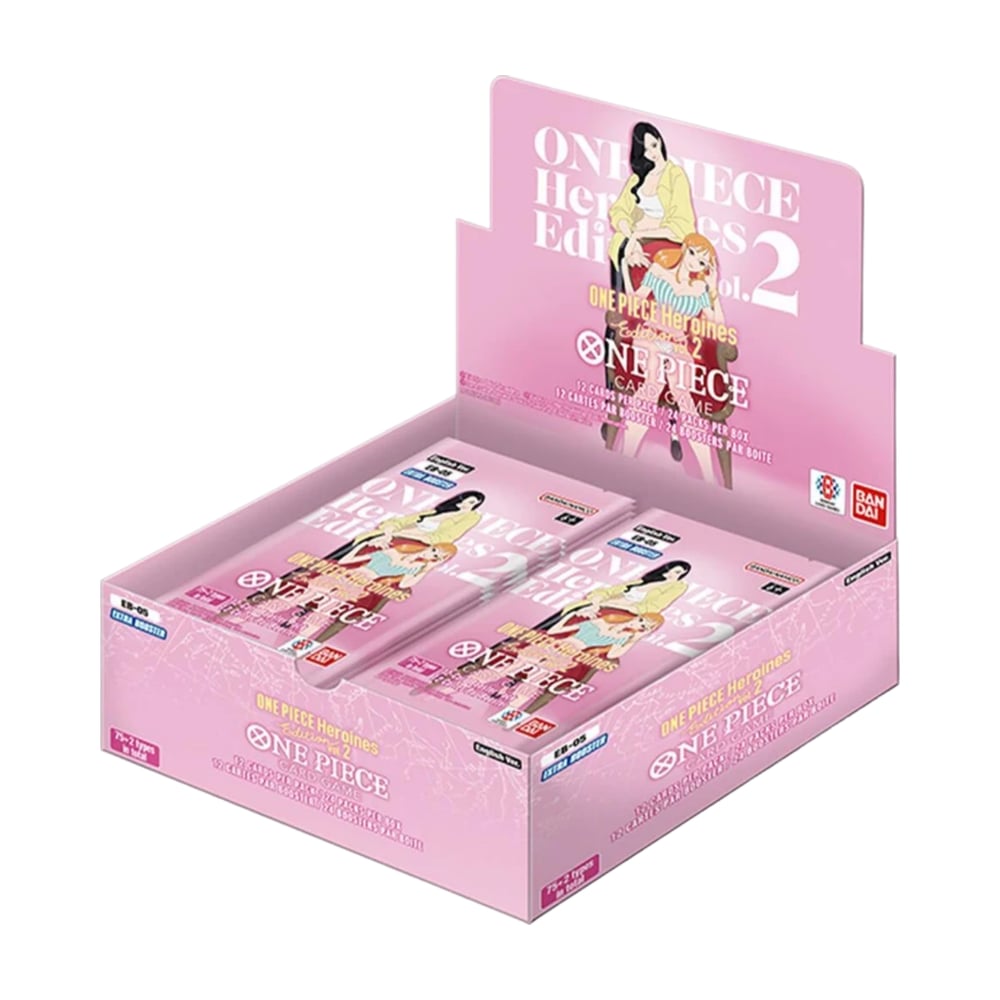
The ONE PIECE Card Game launched in Japan in 2022 and has grown quickly on the strength of the manga and anime. Bandai releases a main booster roughly every quarter, with extra boosters and premium products in between. In late 2026 the Japanese schedule includes OP-18 in November, the EB-06 EAST BLUE extra booster and OP-19 in early 2027, and the PEB-01 premium extra booster in April; see our release calendar for current dates.
Because the game is younger, its collector base is smaller and more concentrated, and it can react more sharply to news: a popular story arc, a tournament format change or a reprint announcement can move demand quickly in either direction.
What tends to drive demand for sealed product
- Supply: how much was printed and whether it is reprinted. Print runs are not published, and both companies do reprint popular products.
- Set type: special, anniversary and premium sets often attract more long-term interest than standard expansions.
- Chase cards: illustration rares and alternate arts of popular characters keep a set in demand after release.
- Condition: a box with damaged corners or torn wrap is worth noticeably less to collectors than a clean one.
- Language: Japanese and English editions are separate markets with their own supply and demand.
The risks people underestimate
- Reprints can arrive at any time and add supply.
- Selling sealed product costs money: platform fees, shipping and sometimes import duties on both legs.
- Storage takes space and care: dry, dark, stable temperature, boxes stacked so they do not crush.
- Fakes and reseals are common in the second-hand market; read our guide to spotting fake boxes.
- Trends change. A game that is hot this year may cool off next year.
A sensible way to collect both
Buy what you enjoy first. If you want to keep sealed product, favour sets you would be happy to open one day, store them well, keep receipts, and spread purchases over time instead of buying everything on release day. For larger quantities, our wholesale team can quote by the case.